
applications of bulletproof glass
Understanding Thread Ring Gauges 6H and 6G Tolerances Thread ring gauges are essential precision tools used to check the dimensions and accuracy of threaded products. In industries where threaded components are pivotal, gauging the correctness of threads is crucial to ensure optimal functionality and safety. Among the various classifications of thread gauges, the 6H and 6G tolerances are popular standards that are widely recognized for their specific applications. What are Thread Ring Gauges? A thread ring gauge is a cylindrical tool with internal threads that conform to a specific thread profile. These gauges are utilized primarily to measure the major diameter, pitch diameter, and the form of the internal threads of fasteners, such as bolts and nuts. The gauge checks whether the threaded component meets the required standards by simply threading it onto the part. Tolerances Explained 6H and 6G The designations '6H' and '6G' relate to the tolerances defined by the International Organization for Standardization (ISO) and the American National Standards Institute (ANSI) for thread forms. The numbers following the letter indicate the grade and type of tolerances applied. - 6H Tolerance The 'H' represents a tolerance class for internal threads, with the number '6' indicating a medium tolerance fit. In practical terms, this means that a 6H fit is precise enough for most applications, without extensive adjustment needs. It provides a good balance between ease of assembly and retention force, making it suitable for widely used threaded fasteners and connection components in mechanical assemblies. - 6G Tolerance On the other hand, 'G' signifies that this tolerance applies to external threads, with '6' again indicating a medium fit. The 6G tolerance is more stringent than that of 6H, ensuring better compatibility in more critical applications. Typically, 6G is employed in more demanding environments, such as hydraulic systems or high-stress mechanical applications, where the integrity of the threaded connection is paramount. thread ring gauge 6h and 6g Applications of 6H and 6G Gauges Thread ring gauges with 6H and 6G tolerances are indispensable in various industries. - Manufacturing In manufacturing, especially in the production of bolts, nuts, screws, and other fasteners, ensuring that each piece conforms to the specified tolerances is essential for quality control. The use of 6H ring gauges helps manufacturers verify that internal threads on components fit correctly with external threads of mating parts. - Aerospace The aerospace industry is heavily reliant on precision-engineered components. 6G ring gauges are frequently employed to test the rigorous thread tolerances required for components that endure significant stresses during flight. Ensuring that threaded connections meet these tolerances is crucial for safety and efficiency. - Automotive Similarly, in automotive applications, both 6H and 6G gauges are vital for assessing the fit and function of threaded components used throughout vehicles. Adequate sizing ensures that critical parts, like engine mounts and transmission links, maintain their proper function and do not fail under load. Conclusion Thread ring gauges with 6H and 6G tolerances play a vital role in ensuring the reliability of threaded connections in numerous industries. Understanding the distinctions between these tolerances helps manufacturers and quality control personnel choose the appropriate gauge for their specific needs, ultimately ensuring the integrity and performance of their products. In an era of increasing precision requirements, the importance of thread gauging cannot be overstated, as it lays the foundation for robust mechanical systems.
about
applications of bulletproof glass
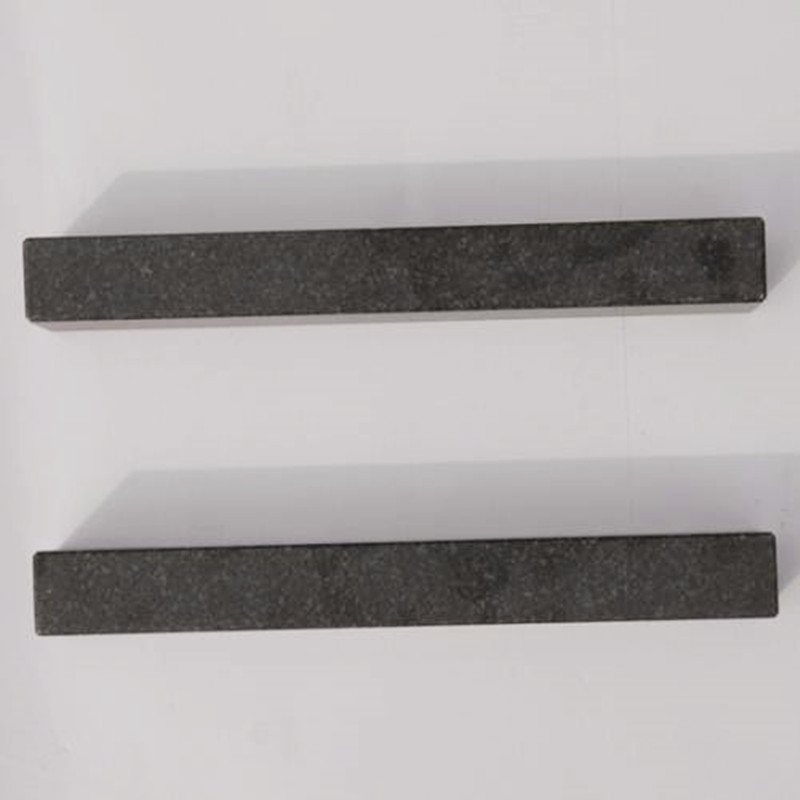
The Significance of Large Granite Blocks in Construction and Design Large granite blocks have been a fundamental material in construction and design for centuries. Known for their incredible durability, aesthetic appeal, and versatility, these massive stones have been used in everything from ancient monuments to modern architectural designs. Granite, an igneous rock composed mainly of quartz, feldspar, and mica, is renowned for its strength and resistance to weathering. This makes it an ideal choice for structures that require longevity and stability. Historical monuments such as the Great Pyramid of Giza and Stonehenge utilize large granite blocks, showcasing their significance in ancient engineering. The precision with which these blocks were cut and transported illustrates the advanced capabilities of early civilizations. In modern architecture, large granite blocks continue to play a vital role. They are often used as cladding material for buildings, providing both structural integrity and an elegant finish. The versatility of granite allows architects to use it in various styles, from sleek and contemporary designs to more traditional and rustic applications. The natural variations in color and pattern in granite can add visual interest, making each structure unique. large granite blocks Furthermore, granite is an environmentally friendly choice. It is a natural stone quarried from the earth, requiring minimal processing compared to synthetic materials . Its durability also means that structures built with granite do not need frequent repairs or replacements, reducing waste. In an era where sustainable construction practices are becoming increasingly important, the use of large granite blocks aligns perfectly with eco-friendly building philosophies. The aesthetic appeal of granite cannot be overlooked. Its timeless beauty makes it a popular choice for outdoor landscaping features, such as patios, walkways, and garden walls. In addition, large granite blocks can be utilized as focal points in parks and public spaces, providing a sense of permanence and elegance. They can be carved into sculptures or incorporated into water features, enhancing the overall environment. Finally, the symbolism associated with granite also contributes to its popularity. Often seen as a representation of strength and endurance, structures made from large granite blocks can evoke feelings of stability and resilience. This symbolism resonates with architects and clients alike, making granite a favored choice for important buildings and monuments. In conclusion, large granite blocks hold a prominent place in both historical and contemporary contexts. Their durability, aesthetic qualities, and environmental benefits make them an ideal choice for a wide range of applications. As we continue to appreciate the natural beauty and strength of granite, we can look forward to its ongoing use in shaping our built environment for generations to come.
-

High quality industrial productsagement

High quality industrial products
View Details -

Meet the diverse needs of customers

Meet the diverse needs of customers
View Details -

Strict quality control

Strict quality control
View Details -

Top raw materials

Top raw materials
View Details -

Trusted supplier

Trusted supplier
View Details
Our application


news and information
Valvola di ritegno tipo disco
Controllo dei Valvole a Terra con Disc Type Il controllo dei valvole a disco è un aspetto fondamenta
Versatile Welding Workbench for Efficient Metal Fabrication and Assembly Tasks
The Essential Guide to Welding Tables Your Ultimate Workbench Companion When it comes to metal fabri

Versatile 48% Butterfly Valve for Enhanced Flow Control in Various Applications
Understanding the 48% Butterfly Valve A Key Component in Modern Flow Control When it comes to flow c
 English